9. Wind-Carved Salt Sculptures
Especially during the dry season, the continuous wind activity across the salt flat produces amazing natural sculptures and forms in the salt crust. From tiny ripples to massive, wave-like patterns spanning many meters, these wind-carved features span Strong winds interacting with the different hardness of the salt crust produce erosion patterns revealing the layered structure of the salt deposits. These natural sculptures are always changing; when others are worn down, fresh forms show up.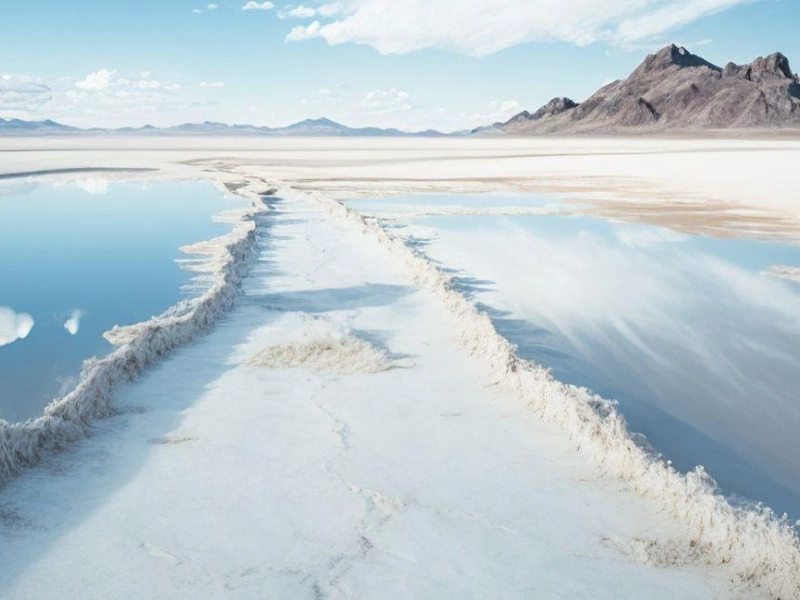
These trends are investigated by scientists in order to grasp the physics of particle movement in harsh conditions and wind erosion processes. At sunrise and dusk, the sculptures are especially stunning since low-angle light produces deep shadows stressing their three-dimensional character. The phenomena shows how, with continuous action over time, one of nature's most tenacious sculptors—wind—can turn even the toughest mineral surfaces into works of art. Salar de Uyuni is therefore a significant site for planetary geology research since these formations also offer insightful analysis of similar processes occurring on other planetary bodies.
Advertisement
Recommended Reading: The Most Impressive Prosthetic Transformations For Hollywood's Biggest Movies


Comments
Leave a Comment
Your email address will not be published. Required fields are marked *